

Property types
Raw Land, Woodland and Subdivision appraisals in Connecticut
Appraisals of large woodland tracts, raw acreage, farmland and residential subdivision parcels, from a single building lot to hundreds of acres.
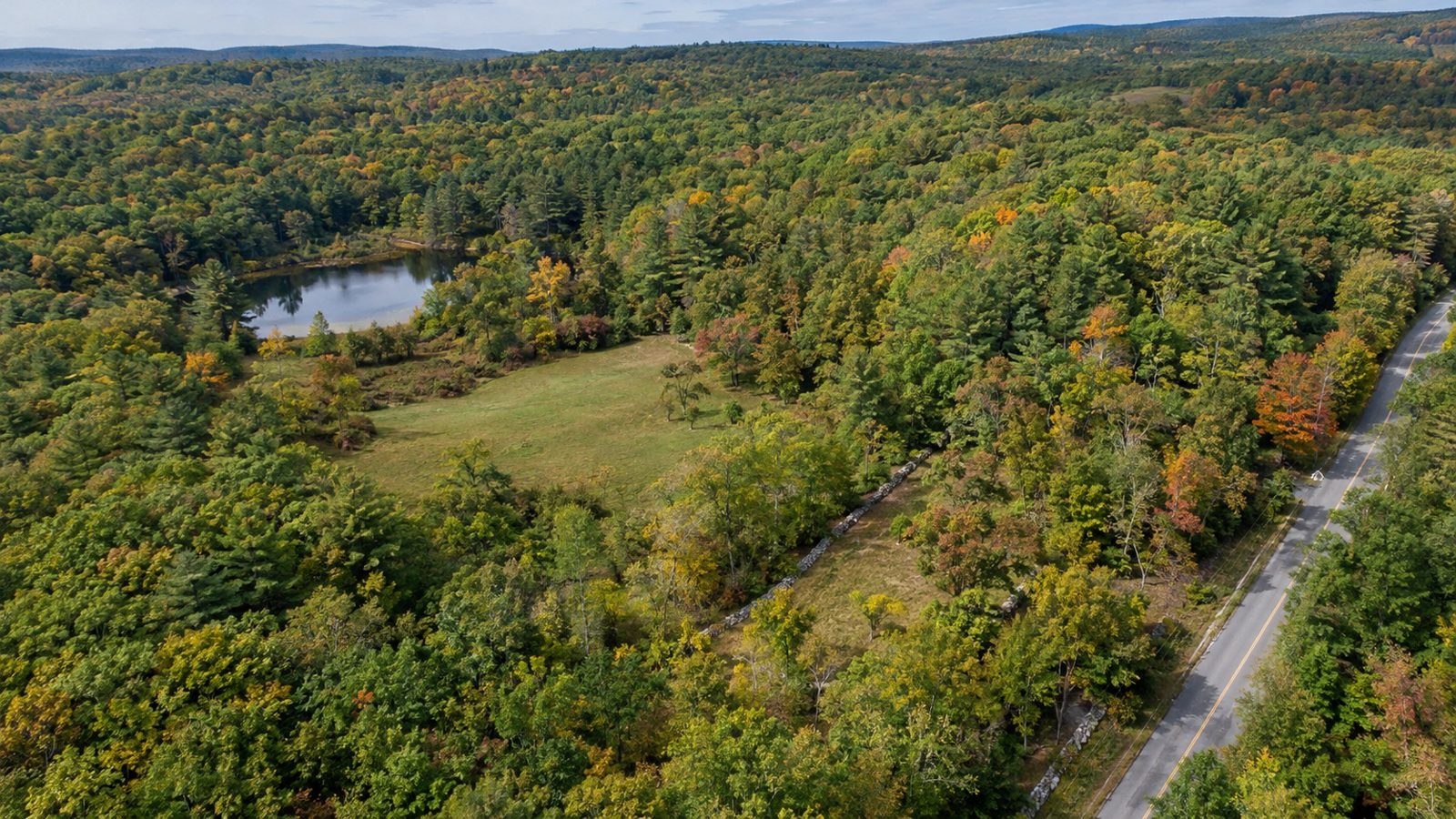
What drives raw land and subdivision value
Usable versus total acreage
Wetlands, slopes, ledge and access determine how much of a tract can be developed.
Subdivision potential
How many lots zoning and soils will realistically support, and the time, cost and risk of obtaining approvals and building roads.
Frontage and access
Road frontage, rights-of-way and whether interior land can be reached at all.
Use and tax status
Forest and farmland classification, conservation restrictions, and timber or agricultural use.
Where we do this work
The towns where we have appraised the most raw land and subdivision property:
Share of our work in each county that is raw land and subdivision property
What to send us
- Survey, subdivision plan or tax map
- Any approvals, soil tests or perc results
- Wetlands mapping, if available
- Any conservation restrictions or easements
Raw Land, Woodland and Subdivision appraisals: common questions
How do you value raw land with no approvals?
We compare it with sales of similar raw land, and consider what a buyer would pay given the time, cost and risk of obtaining approvals and building it.
Do you appraise approved subdivisions?
Yes. We can value an approved subdivision as a whole, as finished lots, or both, including the time it would take to sell the lots.
Do you appraise land for conservation or open space purchases?
Yes, including conservation easements and land bought by towns and land trusts.
Who does the appraisal?
A partner of Baldi Valuation inspects every property and signs every report. The firm is led by Michael Baldi, MAI, AI-GRS.
Need a commercial appraisal?
Tell us about the property and what the appraisal is for. We will respond with a fee and a delivery date, usually within one business day.