

Property types
Self-Storage appraisals in Connecticut
Appraisals of self-storage facilities, from small drive-up properties to climate-controlled buildings, including expansions and proposed facilities.
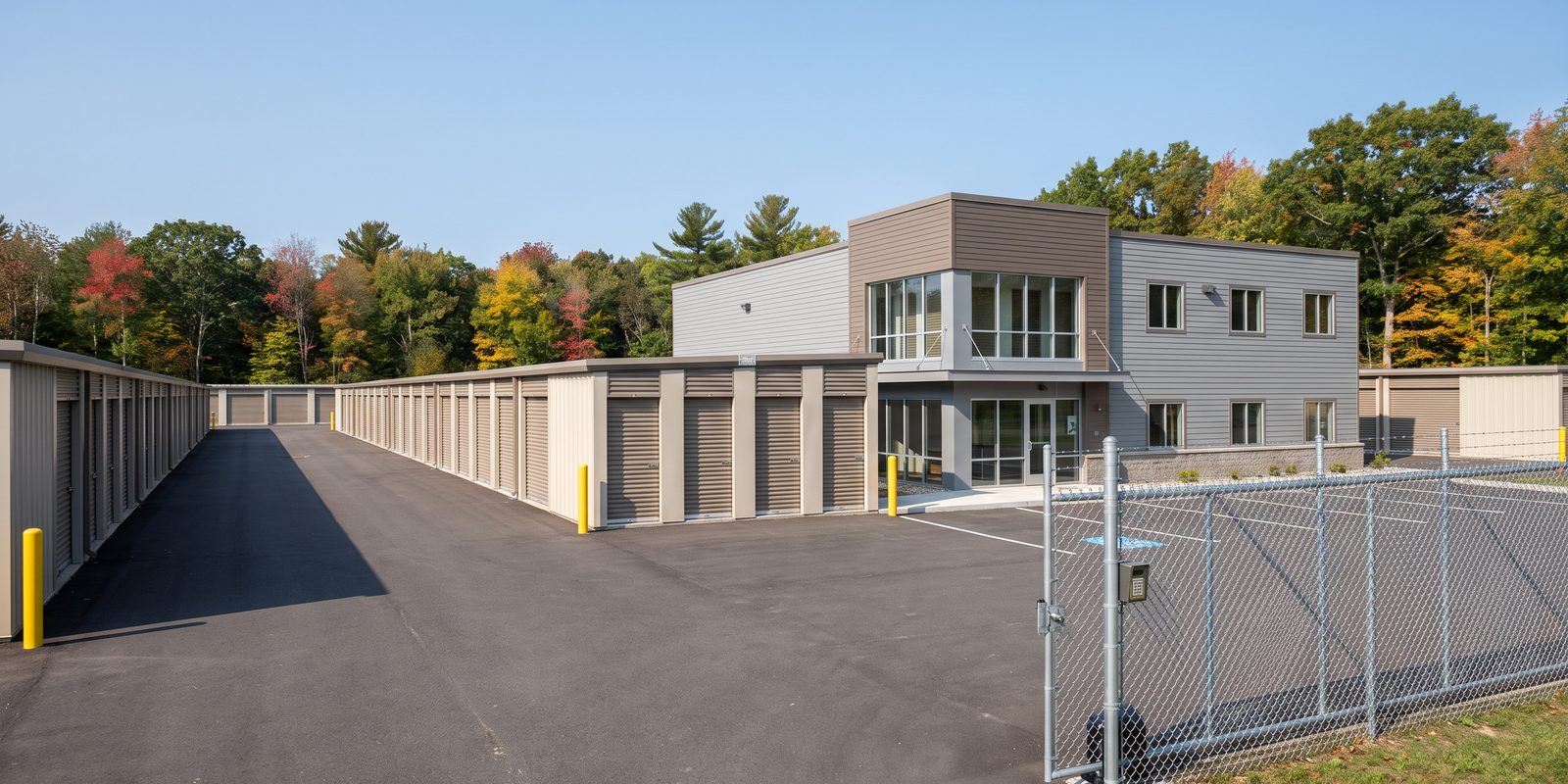
What drives self-storage value
Occupancy and rental rates
Unit mix, rate per square foot, discounts and how quickly units lease up.
Local supply
New facilities nearby can change occupancy and rates quickly, so we track local competition closely.
Management and income
Ancillary income like truck rental, insurance and retail sales, and whether the facility is professionally managed.
Expansion potential
Excess land and zoning for additional buildings can add meaningful value.
Interior versus drive-up units
Traditional exterior storage has roll-up doors that open to a drive aisle, so tenants can pull up to the unit. Interior storage sits inside a multi-story or converted building, reached through hallways and elevators. Each type draws different tenants, rents at a different rate and costs a different amount to build and run.
Climate-controlled versus non-climate-controlled
Climate-controlled units are heated, cooled and kept within a humidity range, which protects furniture, documents and electronics. They rent for more than non-climate-controlled units, but they cost more to build and to operate. The mix of the two affects both income and expenses.
Where we do this work
We appraise self-storage property throughout Connecticut, in every county we serve, and in nearby Massachusetts.
What to send us
- Rent roll or unit mix report
- Two to three years of operating statements
- Site plan and building sizes
- Any plans or approvals for expansion
Common questions about self-storage appraisals
Do you value the business or the real estate?
We value the real estate. Self-storage income comes from short-term rentals, so we are careful to separate real estate value from any business value.
Can you appraise a proposed self-storage facility?
Yes, including lease-up projections and value at stabilization.
Do you appraise converted buildings used for interior storage?
Yes. Former retail, industrial and mill buildings converted to interior climate-controlled storage are common in Connecticut, and we value them on their income as storage.
Who does the appraisal?
A partner of Baldi Valuation inspects every property and signs every report. The firm is led by Michael Baldi, MAI, AI-GRS.

Need a commercial appraisal?
Tell us about the property and what the appraisal is for. We will respond with a fee and a delivery date, usually within one business day.